

Why Are Bottom Dentures So Unstable?
Bottom dentures are often unstable because the lower jaw has less surface area for suction and continues to shrink after tooth loss. Dental implants placed in the lower jaw create secure anchor points that dramatically reduce denture movement and improve chewing comfort.
Stop Lower Denture Movement and Eat With Confidence Again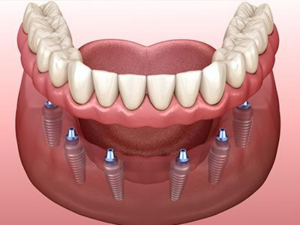
If your bottom denture slips, lifts, or shifts when you talk or eat, you’re experiencing one of the most common problems in dentistry: lower denture instability. The lower jaw has less surface area for suction, and bone shrinkage after tooth loss can make the fit worse over time.
At Rockville Dental Arts, we help patients stabilize their lower teeth with implant options designed for comfort, function, and long-term results—serving Rockville and surrounding areas including Bethesda, Potomac, Gaithersburg, and Germantown.
📞 Call 301-424-2030
👉 Request a consultation
Why Lower Dentures Move More Than Upper Dentures
Lower dentures tend to be less stable because:
-
The lower ridge is smaller than the upper ridge
-
The tongue and floor-of-mouth muscles constantly move
-
Bone loss can progress after extractions
-
Adhesives can only compensate so much
That’s why many patients feel their lower denture “floats” or “rocks” during meals—even when the upper denture feels acceptable.
Bottom Teeth Implants: The Stability Upgrade
Dental implants act like anchors in the jawbone. Instead of your denture resting only on gum tissue, implants provide retention that helps prevent:
-
Slipping during eating
-
Clicking or shifting while speaking
-
Sore spots from movement
-
Loss of confidence in public
If you’re comparing removable versus fixed solutions, start here:
👉 Dentures vs Implants
Options for Bottom Teeth Implants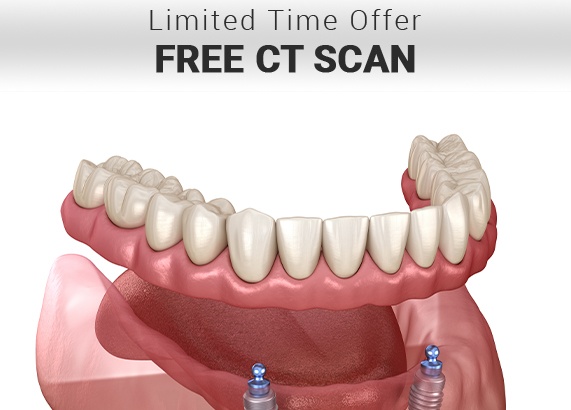
Option 1: Two-Implant Lower Snap-In Denture
This is one of the most common ways to stabilize a lower denture.
How it works:
-
2 implants are placed in the lower jaw
-
The denture attaches to implants using special connectors
-
The denture is still removable for cleaning
Best for: patients who want stability but prefer a removable option.
👉 Learn more: Benefits of Implant-Retained Dentures
👉 Upgrade pathway: Upgrade Dentures to Implants
Option 2: Four-Implant Fixed Lower Teeth (All-on-4 Style)
If your goal is a lower denture that doesn’t move at all, a fixed bridge supported by multiple implants may be ideal.
How it works:
-
4+ implants support a full-arch fixed restoration
-
Teeth are not removed daily by the patient
-
Function and bite strength are typically higher than removable options
👉 Explore fixed full-arch solutions: All-on-4 Dental Implants
👉 Full arch overview: Full Mouth Dental Implants
Featured Snippet Target
How Many Implants Do You Need for Bottom Teeth?
Most patients need 2 implants to stabilize a lower snap-in denture, or 4+ implants for a fixed lower arch restoration. The best option depends on bone quality, bite forces, and whether you want removable or fixed teeth.
Why Bottom Teeth Implants Help With Bone Loss
After teeth are lost, the jawbone can shrink because it no longer receives stimulation from tooth roots. This often affects the lower jaw significantly over time.
Dental implants integrate with bone and help provide functional stimulation—supporting long-term stability and reducing the “loose denture cycle.”
Related education:
👉 Dentures and Bone Loss
What Does It Cost to Stabilize a Lower Denture With Implants?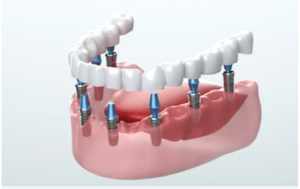
Costs depend on:
-
Number of implants
-
Type of restoration (removable vs fixed)
-
Bone quality and case complexity
-
Material selection and long-term goals
For a complete breakdown of pricing ranges and what affects cost:
👉 Dentures With Implants Cost Guide
Bottom Teeth Implants in Rockville, MD: Why Experience Matters
Lower denture stability is highly dependent on correct planning and bite balance. At Rockville Dental Arts, implant cases are guided by experienced clinicians and technology-driven planning.
Your care team includes Dr. Dennis Norkiewicz, along with Dr. Taruna and Dr. Linkous, supporting comprehensive planning and restorative outcomes.
Learn more about your local implant provider:
👉 Implant Dentist in Rockville, MD
Schedule a Bottom Implant Stability Consultation
If you’re tired of lower denture movement, adhesives, and limiting your diet, there are options that can help you eat and speak with confidence again.
📞 Call 301-424-2030
🌐 https://rockvilledentalarts.com
Frequently Asked Questions About Bottom Teeth Implants
Why do bottom dentures move so much?
Bottom dentures move more because the lower jaw has less surface area for suction and continues to shrink after tooth loss, while tongue and muscle movement disrupt stability.
How many implants are needed to stabilize a lower denture?
Most patients need 2 implants for a lower snap-in denture, while 4+ implants are commonly used for fixed lower teeth.
Can I convert my existing lower denture to implants?
In many cases, yes. A consultation determines whether your current denture can be modified or if a new implant-supported denture is recommended.
Are bottom dental implants painful?
Most patients report the procedure is more comfortable than expected. Treatment is performed with local anesthesia and comfort-focused care.
How long do lower dental implants last?
With proper care, implants can last decades. Long-term success depends on hygiene, bite stability, and routine follow-up.