

Do dentures cause bone loss?
Traditional dentures do not prevent jawbone shrinkage after tooth loss. When teeth are removed, the bone no longer receives stimulation from tooth roots. Over time, this can lead to gradual bone resorption, changes in facial structure, and reduced denture stability. Dental implants help stimulate the bone and may slow this process.
Do Dentures Cause Jawbone Shrinkage?
Yes — traditional dentures do not prevent bone loss after tooth removal. When teeth are missing, the jawbone no longer receives stimulation from tooth roots. Over time, this can lead to gradual bone shrinkage, changes in facial structure, and reduced denture stability.
If you are wearing dentures in Rockville, MD and notice changes in fit or facial shape, bone resorption may be the cause.
📞 Call 301-424-2030
👉 Schedule a Bone & Denture Evaluation
Why Does Bone Loss Happen After Tooth Removal?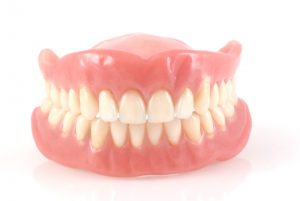
Your natural teeth stimulate the jawbone every time you chew.
When teeth are removed:
-
The bone no longer receives stimulation
-
The body begins to resorb (shrink) unused bone
-
Jawbone volume gradually decreases
This process is natural — but it affects denture stability.
Do Dentures Make Bone Loss Worse?
Dentures themselves do not cause bone loss — but they also do not stop it.
Because traditional dentures rest on the gums instead of integrating with bone:
-
Bone continues to shrink
-
The denture may loosen
-
Relines become necessary
-
Facial contours may change
Over years, significant changes can occur.
How Bone Loss Affects Your Face
Jawbone shrinkage can lead to:
-
Thinner lips
-
Increased wrinkles around the mouth
-
A shorter facial appearance
-
Sagging cheeks
Some patients describe this as “facial collapse.”
Bone loss is one of the main reasons dentures may feel less stable over time.
Can Dental Implants Prevent Bone Loss?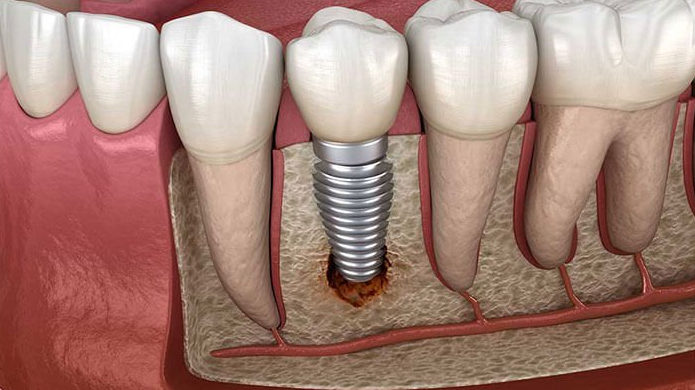
Yes — dental implants help stimulate the jawbone.
Implants function similarly to tooth roots. When chewing forces are transferred to the bone, this helps:
-
Preserve bone structure
-
Slow resorption
-
Improve denture stability
-
Maintain facial appearance
Implant-supported dentures and full-arch implants are often recommended for patients concerned about long-term bone preservation.
👉 Learn more about Implant-Supported Dentures
👉 Explore Full Mouth Dental Implants
Dentures vs Implants: The Bone Difference
| Feature | Traditional Dentures | Implant-Supported Options |
|---|---|---|
| Bone Stimulation | No | Yes |
| Bone Shrinkage Over Time | Continues | Reduced |
| Facial Support | Decreases over years | Better maintained |
| Long-Term Stability | May decline | Greater stability |
Bone preservation is one of the most significant differences between removable dentures and implant-supported solutions.
Signs Bone Loss May Be Affecting Your Dentures
You may notice:
-
Dentures feeling loose
-
Needing more adhesive
-
Increased gum soreness
-
Changes in facial appearance
-
Difficulty chewing harder foods
If these changes are occurring, evaluation may help determine whether implant options are appropriate.
Can I Get Implants If I Already Have Bone Loss?
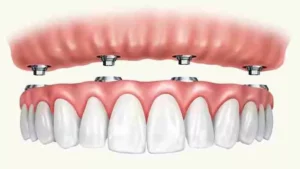
Often, yes.
Even patients who have worn dentures for years may qualify for:
-
Snap-in implant dentures
-
Bone grafting procedures
-
Full-arch implant solutions such as All-on-4
An in-person consultation with imaging helps determine candidacy.
Serving Rockville & Surrounding Communities
Rockville Dental Arts provides denture evaluations and implant consultations for patients in:
Rockville, Bethesda, Potomac, Gaithersburg, Germantown, and throughout Montgomery County.
If you are experiencing loose dentures or concerns about bone loss, we can help you explore your options locally.
Frequently Asked Questions
Do dentures directly cause bone loss?
Dentures do not directly cause bone loss, but they do not prevent it. Bone naturally shrinks after teeth are removed because it no longer receives stimulation.
How fast does bone loss happen after tooth removal?
Bone shrinkage begins within the first year after extractions and continues gradually over time.
Can dental implants stop bone loss?
Dental implants help stimulate the jawbone and may reduce the rate of bone resorption compared to traditional dentures.
Will bone loss change my facial appearance?
Yes. Significant jawbone shrinkage can lead to thinning lips, increased wrinkles around the mouth, and reduced facial height.
Can I get implants if I already have bone loss?
Many patients with bone loss still qualify for implant-supported options after proper evaluation and imaging.
Dentures and Bone Loss in Rockville, MD
If you are concerned about jawbone shrinkage or long-term denture instability, our team at Rockville Dental Arts can evaluate your current condition and discuss available options.
📍 Rockville Dental Arts
📞 301-424-2030
🌐 https://rockvilledentalarts.com
Schedule your consultation to better understand how bone health impacts your smile.