

If you’re searching for common All-on-4 dental implant problems, you’re probably experiencing discomfort, noticing something feels “off,” or trying to make sure you avoid complications before choosing treatment.
All-on-4 is a highly successful full-arch implant option—but like any advanced dental procedure, issues can happen. The good news is that many All-on-4 problems are treatable, especially when addressed early.
At Rockville Dental Arts, our implant team helps patients across Rockville and Montgomery County understand what’s normal, what’s not, and what to do next.
📞 Call 301-424-2030
📍 1403 Research Blvd, Suite A-5, Rockville, MD 20850
Are All-on-4 Problems Common?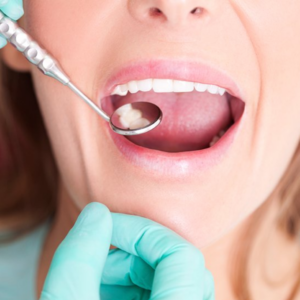
Most patients do very well with All-on-4. However, some people may experience temporary issues during healing—or maintenance-related concerns years later.
The key is knowing the difference between:
-
Normal healing changes
-
Maintenance needs
-
True warning signs
If you’re comparing full-arch options, explore All-on-4 Dental Implants in Rockville, MD for the full procedure explanation.
1) Pain or Soreness After Surgery
What’s normal:
Mild to moderate soreness, swelling, and tenderness during the first several days.
When it’s a concern:
Pain that worsens after day 3, fever, or swelling that increases instead of improving.
What helps:
-
Follow post-op instructions
-
Soft diet
-
Medication as directed
-
Follow-up appointments
For a detailed healing timeline, visit our Dental Implant Recovery in Rockville, MD page.
2) Swelling and Bruising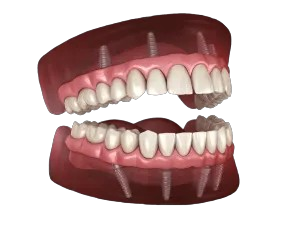
Swelling is common early in healing, especially after extractions.
Call us if you have:
-
Swelling that increases after 72 hours
-
Drainage or a bad taste
-
Fever or chills
3) Bite Feels “Off” (High Spots)
This is one of the most common issues with temporary teeth.
Symptoms:
-
Uneven bite
-
Soreness when chewing
-
Clicking or pressure in one area
Fix:
A simple bite adjustment can dramatically improve comfort and protect implants from overload.
4) Temporary Teeth Feel Bulky or Different
Temporary bridges can feel thicker than natural teeth at first—especially if you’ve been missing teeth for a long time.
This usually improves as you adapt, and your final bridge can often be refined for a more natural feel.
5) Speech Changes (Lisps or Air Leaks)
Speech changes may happen briefly as your tongue learns the new contours.
Fixes include:
-
Minor prosthesis adjustments
-
Practice speaking aloud
-
Transitioning to the final prosthesis
If speech changes persist, it’s a design issue—not something you just “live with.”
6) Food Getting Under the Bridge
Because All-on-4 teeth are fixed, debris can sometimes collect underneath.
This is manageable with the right hygiene routine, including:
-
Water flosser
-
Super floss/threaders
-
Implant-safe cleaning tools
If you want a removable option that’s easier to clean, compare Snap-in Dentures (implant-supported dentures).
7) Gum Inflammation or Bleeding Around Implants
Inflammation can occur if plaque collects around implant sites.
Warning signs:
-
Bleeding when cleaning
-
Swelling around implants
-
Persistent bad breath
Fix:
Professional cleaning + improved home care.
This is treatable when caught early.
8) Looseness (Bridge or Screw Loosening)
All-on-4 bridges are typically secured with screws.
Occasionally, a screw can loosen over time due to bite pressure.
Symptoms:
-
Clicking
-
Movement
-
Bite feels unstable
Fix:
We remove, inspect, and re-torque the bridge. Don’t ignore this—movement can cause bigger issues.
9) Implant Failure (Rare, But Important)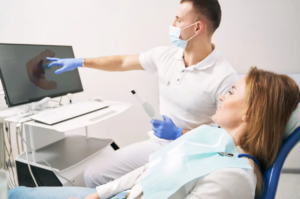
Implant failure is uncommon, but it can happen due to:
-
Smoking
-
Uncontrolled diabetes
-
Poor bone integration
-
Excessive biting forces
-
Infection
Signs to watch for:
-
Persistent pain
-
Swelling that doesn’t improve
-
Mobility
-
Drainage
If an implant fails, there are often solutions—including replacement after healing.
When to Call Our Office Right Away
If you have All-on-4 dental implants and notice any of the following, contact our Rockville team as soon as possible:
-
Swelling that increases after 72 hours
-
Fever, chills, or feeling unwell
-
Persistent bleeding that won’t stop
-
Pus/drainage, a bad taste, or foul odor
-
A bridge that feels loose, clicks, or shifts
-
Sharp pain that worsens instead of improving
-
Sudden bite change or pain when chewing
📞 Call/text 301-424-2030
📍 Rockville Dental Arts — 1403 Research Blvd, Suite A-5, Rockville, MD 20850
How to Reduce the Risk of All-on-4 Complications
To protect your implants long-term:
✔ Keep up with hygiene daily
✔ Attend routine implant maintenance visits
✔ Avoid smoking
✔ Follow soft-diet rules during healing
✔ Get bite adjustments if needed
✔ Wear a nightguard if you grind
All-on-4 Problems vs Traditional Dentures
| Issue | Traditional Dentures | All-on-4 |
|---|---|---|
| Slipping | Common | Rare |
| Adhesives | Often needed | Not needed |
| Bone loss | Continues | Helps reduce |
| Chewing power | Limited | Strong |
| Maintenance | Relines | Professional maintenance |
If you’re weighing costs, visit our Dental Implant Cost in Rockville, MD page and explore Dental Implant Financing Options.
FAQs: All-on-4 Dental Implant Problems
What is the most common All-on-4 problem?
Bite issues and food trapping are common early concerns, and both are usually fixable with adjustments and hygiene training.
Can All-on-4 implants get infected?
Yes—implant inflammation can occur if plaque builds up. Early treatment and professional care help prevent progression.
What should I do if my All-on-4 bridge feels loose?
Call us. A loose bridge may indicate a screw issue or bite imbalance and should be addressed quickly.
How do I know if an All-on-4 implant is failing?
Signs can include persistent pain, swelling, drainage, or mobility. A clinical exam and imaging can confirm what’s happening.
When to Call Our Rockville Implant Team
If you’re experiencing discomfort, looseness, bite problems, or you simply want reassurance, we can help.
📞 Call 301-424-2030
📍 Rockville Dental Arts — 1403 Research Blvd, Suite A-5, Rockville, MD 20850
Explore related pages: