

If you’re concerned about early dental implant failure, you’re not alone.
While dental implants have a high success rate, complications can occur in the first few weeks or months after surgery. Recognizing symptoms early allows for prompt treatment and protects your long-term results.
At Rockville Dental Arts, we provide advanced implant evaluation and second opinions for patients in Rockville, Gaithersburg, Potomac, and surrounding areas.
📞 301-424-2030
👉 Schedule an Implant Evaluation
Featured Snippet Target
Early dental implant failure symptoms may include persistent pain, swelling, implant mobility, infection, gum recession, or difficulty chewing. Early failure typically occurs within the first few months after placement and may result from infection, poor bone integration, or excessive pressure on the implant.
Common Symptoms of Early Implant Failure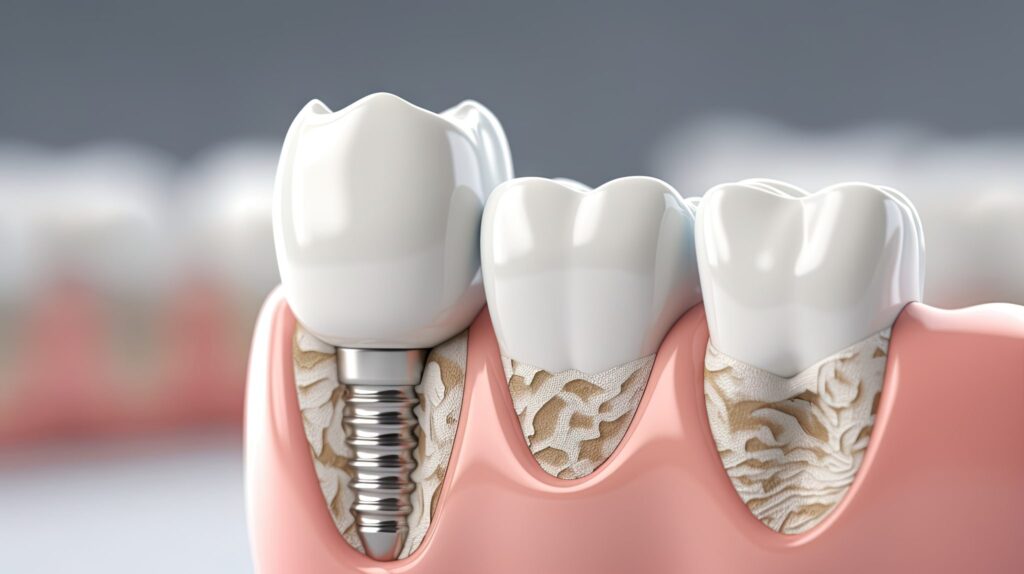
Watch for these signs:
1. Persistent or Worsening Pain
Mild soreness is normal. Severe or increasing pain is not.
2. Swelling That Does Not Improve
Some swelling is expected for a few days. Prolonged inflammation may indicate infection.
3. Implant Mobility
A dental implant should never move. Movement may signal failed osseointegration.
4. Gum Recession or Pus
Signs of infection around the implant (peri-implantitis).
5. Difficulty Chewing
Pain or instability while chewing can indicate a problem.
What Causes Early Dental Implant Failure?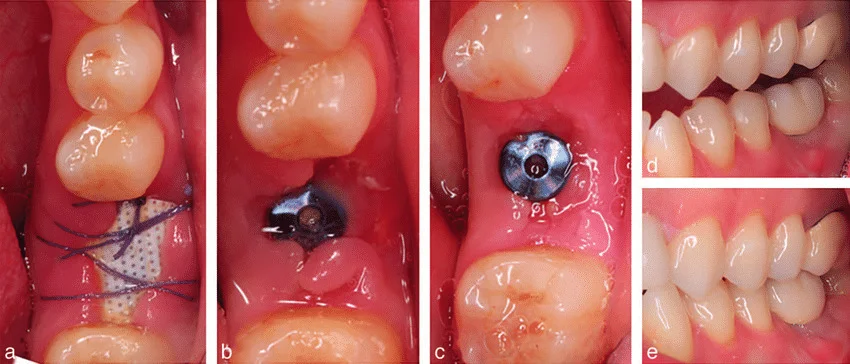
Early failure typically occurs within 3–4 months after surgery and may result from:
-
Infection (peri-implantitis)
-
Poor bone quality
-
Smoking
-
Uncontrolled diabetes
-
Excessive bite pressure
-
Improper implant positioning
-
Failure of osseointegration
Proper planning and 3D imaging significantly reduce these risks.
Is Early Implant Failure Common?
Dental implants have success rates above 95% when properly planned and placed.
Early failure is uncommon but treatable when addressed quickly.
If you suspect a problem, immediate evaluation is critical.
What Happens If an Implant Fails?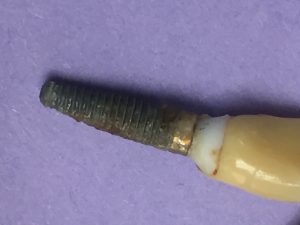
In many cases:
-
The implant is removed
-
The area heals
-
Bone grafting may be performed
-
A new implant can often be placed later
Early detection improves outcomes.
How to Reduce Risk of Implant Failure
You can improve success by:
-
Quitting smoking
-
Maintaining excellent oral hygiene
-
Attending follow-up visits
-
Managing diabetes
-
Avoiding excessive pressure during healing
If you are considering full arch treatment, learn more about
👉 Full Mouth Dental Implants in Rockville, MD
When to Seek Immediate Evaluation
Contact your dentist immediately if you notice:
-
Severe pain
-
Implant movement
-
Signs of infection
-
Fever
-
Drainage or pus
Prompt treatment can often save the implant.
Why Patients Seek Second Opinions at Rockville Dental Arts
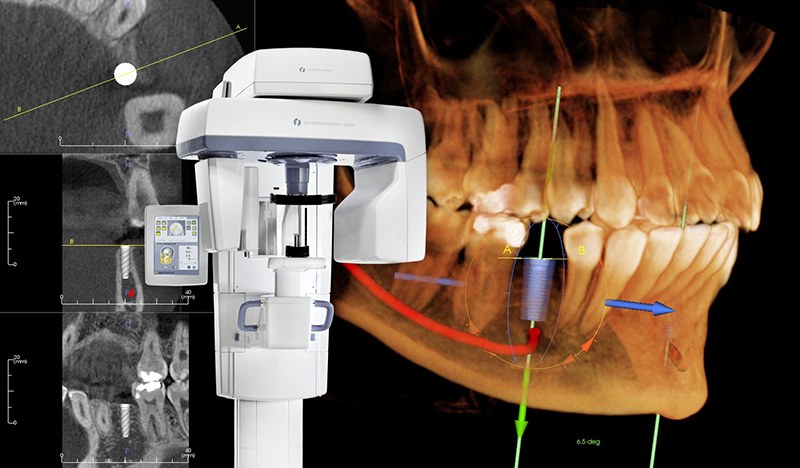
We provide:
-
CBCT 3D imaging
-
Implant stability testing
-
Treatment planning
-
Implant revision procedures
-
Bone grafting when necessary
Everything is handled in-house in Rockville, MD.
If you are concerned about a failing implant, call:
📞 301-424-2030
Frequently Asked Questions
How soon can dental implant failure occur?
Early implant failure typically occurs within the first few months after placement, before full bone integration occurs.
Can a failed implant be replaced?
In many cases, yes. After healing and possible bone grafting, a new implant may be placed.
Is implant failure painful?
Some patients experience pain, swelling, or mobility. Others may notice subtle signs.
Does smoking increase implant failure risk?
Yes. Smoking significantly increases the risk of implant complications.