
Many patients feel uncertain when a dentist recommends either a dental crown or an onlay. Both treatments repair damaged teeth, but they differ in how much tooth structure they preserve, how long they last, and the level of care they require. At Rockville Dental, our goal is to make these choices easier by explaining every detail so patients feel informed and confident before treatment begins.
Understanding the topic of dental crown vs onlay can help patients decide which restoration best suits their needs. Both are strong, durable, and designed to restore normal chewing function. However, each has unique advantages that depend on the extent of tooth damage, the material used, and the patient’s long-term dental health goals. If you are researching Dental Crowns Rockville, this guide provides valuable insights to help you make the right choice for lasting comfort and protection.
What is a Dental Crown?
A dental crown is a full-coverage restoration that completely encases the visible part of a tooth. It is often used when the natural tooth structure is too weak or damaged to support a filling or onlay. Crowns can be made from porcelain, ceramic, zirconia, gold, or metal alloys, each offering different benefits in strength and appearance.
Key reasons for getting a dental crown include:
- Restoring a broken or cracked tooth that cannot hold a filling.
- Protecting a tooth weakened by decay or after a root canal.
- Covering a dental implant or supporting a bridge.
- Improving the shape, color, or alignment of a tooth for aesthetic reasons.
Because a crown completely covers the tooth, it provides superior strength and protection. It is a long-term solution for extensive tooth damage and can last for more than a decade with proper care.
What is a Dental Onlay?
A dental onlay is often described as a partial crown. It restores a specific portion of a damaged tooth without removing as much of the natural structure as a full crown does. Onlays are crafted from materials such as porcelain, composite resin, or gold, and they are bonded directly to the tooth for a strong, seamless fit.
Dental onlays are recommended when:
- The damage extends beyond what a regular filling can handle.
- The tooth still has enough healthy enamel to avoid full coverage.
- The patient prefers a minimally invasive restoration that preserves more natural structure.
An onlay blends strength and conservation, making it ideal for moderate damage. It strengthens the tooth while maintaining as much of the original enamel as possible.
Dental Onlay vs Crown: The Key Differences
When comparing a dental onlay vs crown, the most important factor is how much of the tooth is affected. Crowns replace a larger portion of the tooth, while onlays focus only on the damaged sections.
Here are the main differences between the two treatments:
1. Tooth Preservation
- Crowns require more removal of the natural tooth to fit properly.
- Onlays preserve more of the existing enamel, keeping the tooth structure stronger over time.
2. Procedure Involvement
- A crown typically involves reshaping the entire tooth and taking an impression to create the custom restoration.
- An onlay usually involves less preparation, focusing only on the decayed or damaged areas.
3. Durability and Longevity
- Both can last 10–15 years or more with good oral hygiene.
- Crowns tend to last longer under heavy chewing pressure.
- Onlays maintain strength and protect the surrounding natural enamel, reducing the risk of further decay.
4. Aesthetics
- Both treatments can match the color and texture of natural teeth, though porcelain and ceramic crowns may provide a more uniform appearance for front teeth.
5. Cost Factors
- Crowns are generally more expensive since they involve more material and preparation.
- Onlays can be a more cost-effective choice for smaller restorations.
Longevity and Maintenance of Restorations
Longevity depends on several factors such as oral hygiene habits, material choice, chewing patterns, and regular dental check-ups. Both crowns and onlays can last a long time when cared for correctly.
Maintenance tips include:
- Brushing twice daily using a soft-bristle toothbrush and fluoride toothpaste.
- Flossing carefully around the treated tooth to prevent gum inflammation.
- Avoiding hard foods and ice that could crack the restoration.
- Visiting a Dentist in Rockville MD, every six months for check-ups and professional cleaning.
When patients maintain good oral habits, a dental crown can last anywhere between 10 to 20 years, whereas an onlay may last 8 to 15 years. Both can perform beyond these averages when bonded correctly and maintained properly.
 How Does the Procedure Differ?
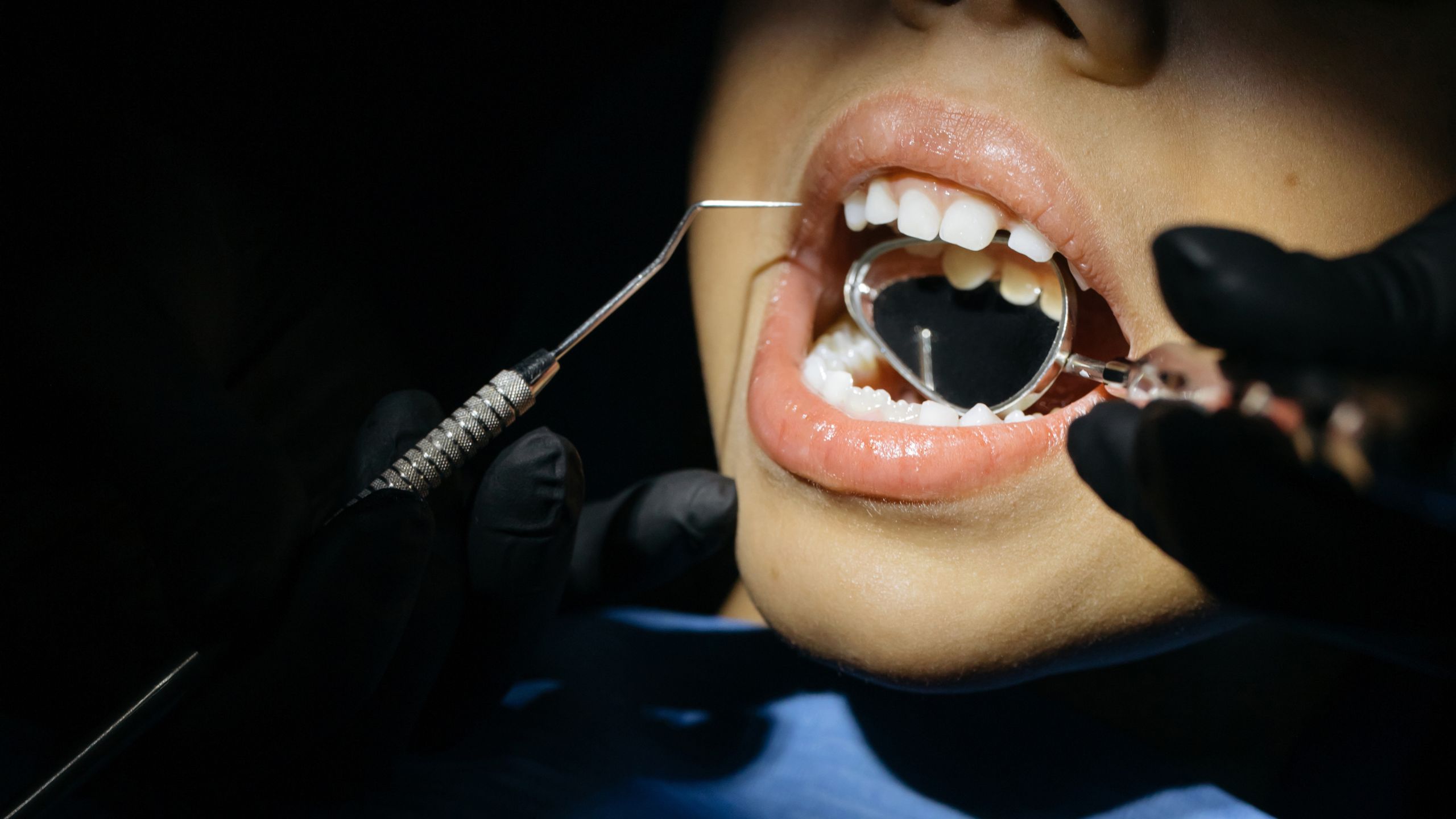
Both treatments involve precision and skill. Yet, the amount of preparation and the extent of restoration differ slightly.
Dental Crown Procedure:
- The dentist numbs the area to ensure comfort.
- Damaged or decayed sections are removed.
- The tooth is reshaped to make space for the crown.
- An impression is taken to design a custom crown.
- A temporary crown is placed while the permanent one is being made.
- At the final visit, the permanent crown is bonded securely.
Dental Onlay Procedure:
- The dentist removes only the damaged enamel.
- A mold or scan is taken to create the precise onlay.
- The onlay is custom-made in a dental lab.
- The dentist bonds the onlay to the tooth, restoring shape and function.
The onlay process typically preserves more enamel and involves less tooth reshaping. Both procedures use modern bonding techniques to create a tight seal, preventing bacteria from entering and causing decay.
Which Option is Better for You?
The right treatment depends on the extent of damage, the location of the tooth, and your long-term dental goals.
A dental crown is ideal when:
- The tooth has significant decay or cracking.
- A root canal has weakened the structure.
- The bite pressure on the tooth is heavy.
A dental onlay works better when:
- The damage is limited to one or two cusps.
- The patient wishes to preserve a more natural tooth.
- The tooth is structurally stable.
An experienced dentist evaluates the health of your tooth through examination and imaging to recommend the most suitable option. Both restorations improve function and prevent further deterioration when properly chosen and placed.
Professional Advice and Patient Comfort
At Rockville Dental, patient comfort and satisfaction remain at the heart of every treatment. Our team helps patients make informed decisions through open communication, visual models, and digital scans. Whether selecting a dental crown or an onlay, the goal is always the same: to restore strength, comfort, and confidence in your smile.
We encourage patients to schedule an evaluation if they experience pain when chewing, visible cracks, or sensitivity to temperature. Early treatment not only protects the tooth but also reduces the need for more complex procedures later.
Final Thoughts
Both dental crowns and onlays are reliable solutions for restoring damaged teeth. Crowns provide full coverage and maximum protection, while onlays offer a more conservative approach that maintains natural structure. Understanding the difference between dental crown vs onlay helps patients make confident decisions about their oral health.
To learn which restoration best suits your needs, schedule a consultation today with our expert dental team. Restoring your smile is easier, safer, and more comfortable when guided by trusted professionals who care about long-term results and patient confidence.
Book your appointment with Rockville Dental today to restore strength, health, and beauty to your smile.