

Many patients come to our clinic with one common question: Is there any difference between a dental crown and a dental cap? The confusion is completely natural because these two terms are often used interchangeably by both patients and dentists. At Rockville Dental, our goal is to simplify dental care terms so every patient feels confident and informed before any treatment.
This detailed explanation will help patients understand what these two terms actually mean, how they relate to tooth restoration, and what makes them so important for a healthy, lasting smile. Our team at Dental Crowns Rockville believes that informed decisions start with clarity and trust, and this topic deserves both.
What Is a Dental Crown?
A dental crown is a customized covering placed over a damaged or weakened tooth. Its main purpose is to restore the tooth’s shape, size, and strength while improving its overall appearance. Crowns are designed to mimic the natural tooth’s color and texture, so the result blends seamlessly with the surrounding teeth.
There are different materials available for crowns, such as:
- Porcelain crowns: Known for their natural look and color match. Ideal for front teeth.
- Ceramic crowns: Similar to porcelain but slightly stronger, offering aesthetic and structural balance.
- Metal crowns: Durable and resistant, usually placed on molars that handle more chewing pressure.
- Porcelain-fused-to-metal crowns: Combine strength and beauty, providing a reliable balance between appearance and function.
- Zirconia crowns: Strong, biocompatible, and highly resistant to wear, suitable for long-term protection.
Each material serves a different need depending on where the tooth is located, the amount of pressure it endures, and the patient’s budget and expectations.
What Is a Dental Cap?
The term dental cap is another way of describing a dental crown. Patients often refer to it as a cap because it “caps” the tooth, covering it entirely from top to gum line. The name might vary, but the purpose remains the same: to restore and protect a tooth that has been damaged, cracked, decayed, or weakened after a root canal.
So when people ask about a dental crown vs cap, the answer is simple. Both are the same. The difference lies only in terminology. Dentists tend to use “crown,” while many patients prefer the word “cap” because it sounds more relatable and easier to visualize.
Dental Cap vs Crown: Why the Confusion Exists
The confusion surrounding dental cap vs crown comes mainly from everyday language. Years ago, “cap” was the term most people used before dentistry advanced into a more scientific field. As dental materials and techniques evolved, professionals began using “crown” to describe the same procedure more precisely.
In modern dentistry, both words represent identical procedures. Whether a dentist says you need a crown or a cap, the treatment plan, preparation, and outcome are the same.
When Do You Need a Dental Crown or Cap?
Crowns or caps are often recommended when a tooth has lost its original shape or function. Some common reasons include:
- Severe tooth decay that weakens the structure
- A large filling that compromises the tooth’s integrity
- Cracked or fractured teeth from biting hard objects
- Post–root canal treatment, where the tooth becomes fragile
- Cosmetic enhancement for discolored or misshapen teeth
Each situation is different, and the dentist assesses which tooth needs protection and how to restore it best.
At this stage, the expertise of a Dentist Rockville MD, plays a major role. Proper evaluation ensures that the crown fits comfortably, restores bite balance, and prevents further complications.
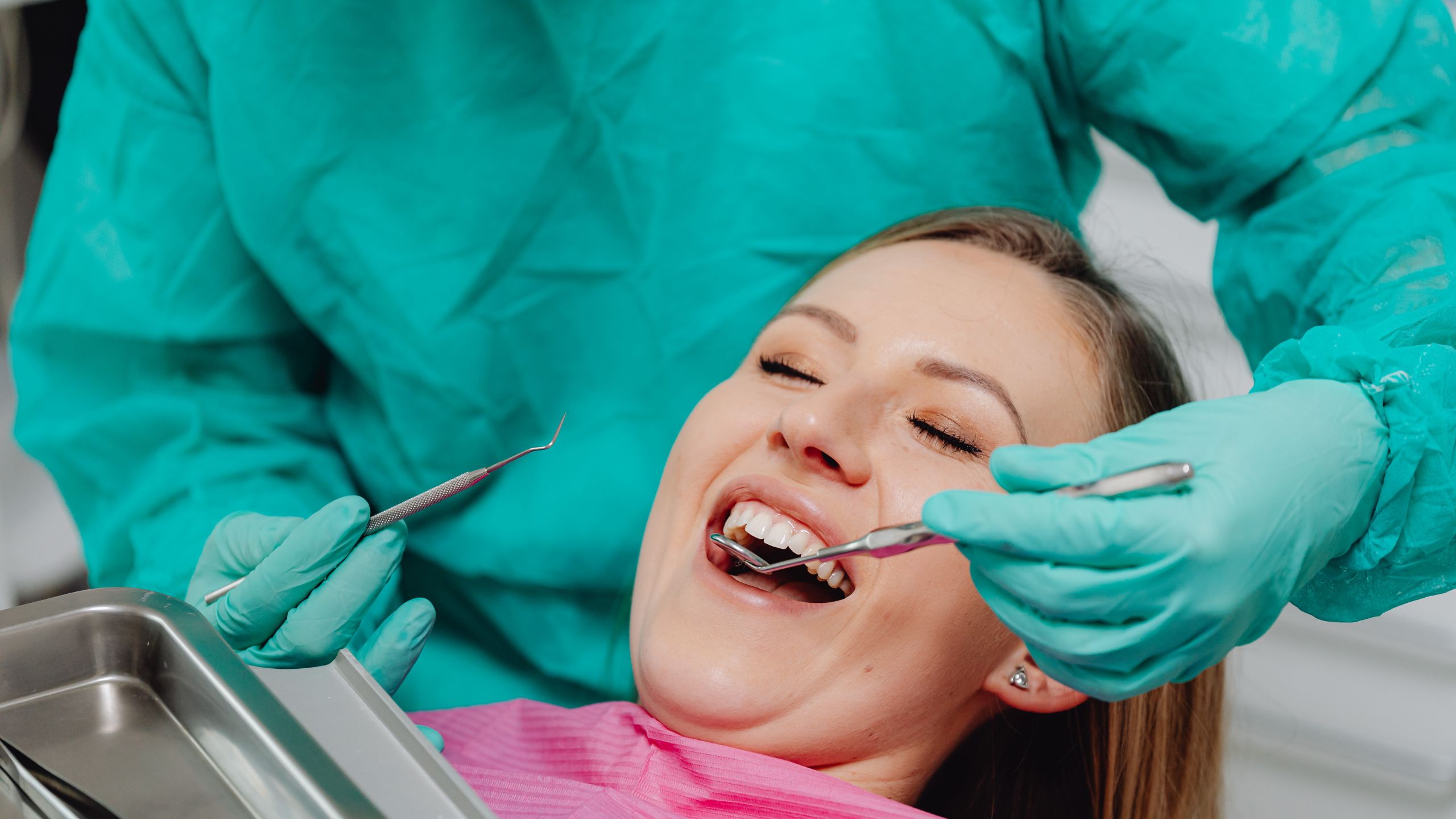 How the Dental Crown Procedure Works?
The process of placing a crown is usually completed in two visits:
- Initial Examination and Tooth Preparation: The dentist examines the tooth using X-rays to check for decay, root condition, and bone support. Once cleared, the tooth is reshaped by removing a thin layer of enamel. This allows the new crown to fit perfectly.
- Impression and Temporary Crown: An impression is taken of the reshaped tooth and sent to a dental lab, where the permanent crown is crafted. Meanwhile, a temporary crown is placed to protect the tooth.
- Final Placement: Once the permanent crown is ready, the dentist removes the temporary one, checks the fit and color, and securely cements the new crown into place. The patient leaves with a restored tooth that looks and feels natural.
Dental Cap vs Dental Crown: Do They Function the Same?
Yes, they do. Whether someone calls it a dental cap or a dental crown, both restore chewing function, protect the remaining tooth structure, and enhance the smile’s appearance. The similarity extends to durability, maintenance, and procedure steps.
That said, the success of the treatment depends on the dentist’s skill, the quality of the material, and the patient’s oral care habits.
How Long Does a Dental Crown Last?
A crown can last anywhere from 10 to 15 years or longer with proper care. Some crowns, particularly those made of zirconia or metal, can last over two decades. The longevity depends on:
- Daily oral hygiene
- Avoiding habits like teeth grinding or chewing ice
- Regular professional check-ups
- Limiting sugary or acidic foods that can weaken the surrounding enamel
Patients who care for their crowns as they would for natural teeth enjoy better long-term outcomes.
Common Concerns and How to Manage Them
Patients often worry about sensitivity, discomfort, or crown loosening. These issues are manageable when handled early.
- Mild sensitivity can occur right after placement but usually fades within a few days.
- Discomfort during biting may indicate the crown’s alignment needs slight adjustment.
- Crown loosening or chipping happens rarely, often due to biting hard food or grinding teeth.
Regular dental visits prevent these concerns from turning into bigger problems.
Caring for Your Dental Crown
Maintaining a crown is simple, but consistent care is key.
- Brush twice a day using a soft-bristle toothbrush.
- Floss daily to remove plaque around the crown margins.
- Rinse with an alcohol-free mouthwash to keep bacteria in check.
- Avoid biting hard candy, ice, or non-food objects.
- Visit your dentist at least twice a year for professional cleaning and inspection.
These steps keep the crown strong, the gums healthy, and the smile lasting.
Professional Insight from Our Team
Our team at Rockville Dental values patient trust above everything. Each treatment is guided by precision, comfort, and transparency. Whether a patient uses the term “cap” or “crown,” the intention is the same: to restore confidence and protect dental health for years to come.
We encourage anyone facing tooth damage, discomfort, or cosmetic concerns to seek guidance. Early attention saves time, money, and unnecessary pain later.
Final Thoughts
A dental crown or dental cap is not just about appearance; it is a long-term investment in oral health. Both restore the natural balance of your bite and protect teeth from further damage. The difference in names does not affect the outcome, but timely care does.
Our dental team is ready to assess your needs, recommend the right solution, and provide treatment that feels comfortable and lasting. To protect your teeth and regain your smile’s confidence, schedule a consultation today with Rockville Dental.
Your comfort and trust matter most. Let our experience guide you toward a healthier, stronger smile that feels completely natural.