


Restorative Dentistry
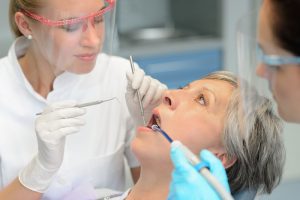 Over time, no matter how well you take care of your teeth, problems can arise. That’s why here at Rockville Dental Arts, we offer a selection of restorative dentistry procedures including composite resin fillings, root canals, crowns, dental implants, dentures and porcelain veneers.
That way, we can help you with bite problems, gaps, missing teeth, worn teeth, cracks and fractures, and other issues that may arise. Even though you take care of your teeth you may experience some of these issues as teeth get old and abused through biting, chewing and grinding, as well as the acidic foods we eat and drink.
Through restorative dentistry, our dentists in Rockville, MD will be able to ensure your teeth maintain their integrity for more comfort, a better bite, and a more attractive smile as well.
Dental Implants
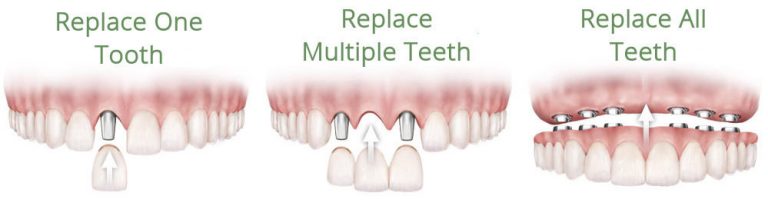 If you are missing a tooth or several teeth, then you have a permanent option available in dental implants. As far as a restorative dentistry option, these implants look fully natural, and they work in the same way as your teeth as well. Dental implants are a 21st century option in tooth replacement. They never decay, never break and never need a root canal.
We use the best in dental implant technology from Hiossen, and we specialize in single, multi, or all tooth implant options. No matter your tooth loss, we can help you. We offer free dental implant consults with xrays. Just call or contact us here for more information.
Learn more about Implant Dentistry
Crowns
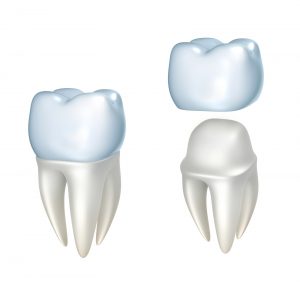 At Rockville Dental Arts, we use the most innovative technology to ensure you have the best access to dental crowns when needed. Crowns can be used to cover and protect cracked or broken teeth, to cover root canal procedures, and to work as a top for dental implants. These crowns are natural looking, and we have them perfected in a lab to fit your needs specifically. No one will even know you have a dental crown when it is complete.
At Rockville Dental Arts we are the premier dentist in the Washington DC metro area for dental crowns. Our dental laboratory is located in Gaithersburg and we have been using them to make our crowns for over 15 years. We are their favorite and top dentist to work with in the DC area. This will assure you that your dental crown procedure is smooth and painless and you end up with a crown that will last for years and years.
Our crowns are made from only white materials like porcelain. We almost never use metals in our crowns because they can make the tooth look dark and grey and sometimes you will see a black line at the gum line of your crown. That can be very unsightly. If you have a black or dark line at the gum line of your crown consider replacing it with the newest in dental crown technology. Have your crown look and feel like a real tooth again!
Learn more about Dental Crowns
Dentures
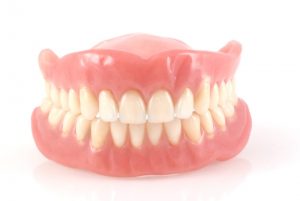 Dentures provide a natural looking alternative to replacing missing teeth. If your teeth are damaged beyond repair or already missing, then dentures will replace everything for a beautiful smile and proper bite. At Rockville Dental Arts, we offer partial and full dentures as well as fixed and implant dentures that stay in place all the time. Need your dentures in a hurry? We offer expedited 2-day service too. There’s no reason why you should go without teeth any longer.
If you have questions and want to talk to a restorative dentist rockville md, or you would like to schedule an appointment, then get in contact with us today at 301-424-2030 or filling out our contact form. We at Rockville Dental Arts are here to help you with all of your dental needs and we are eager to discuss your options with you. You should not live with pain or discomfort any longer, so schedule your appointment soon and we can evaluate your restorative dentistry needs.
To learn more, read our other blogs/pages: